
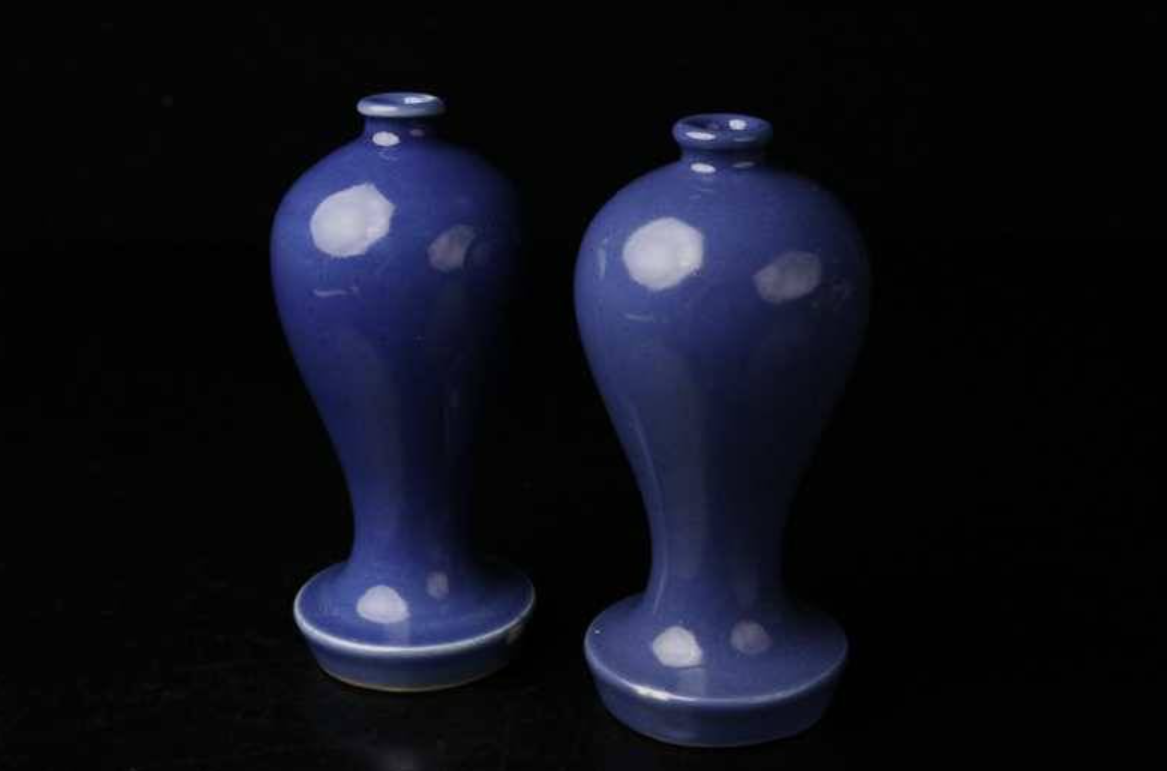
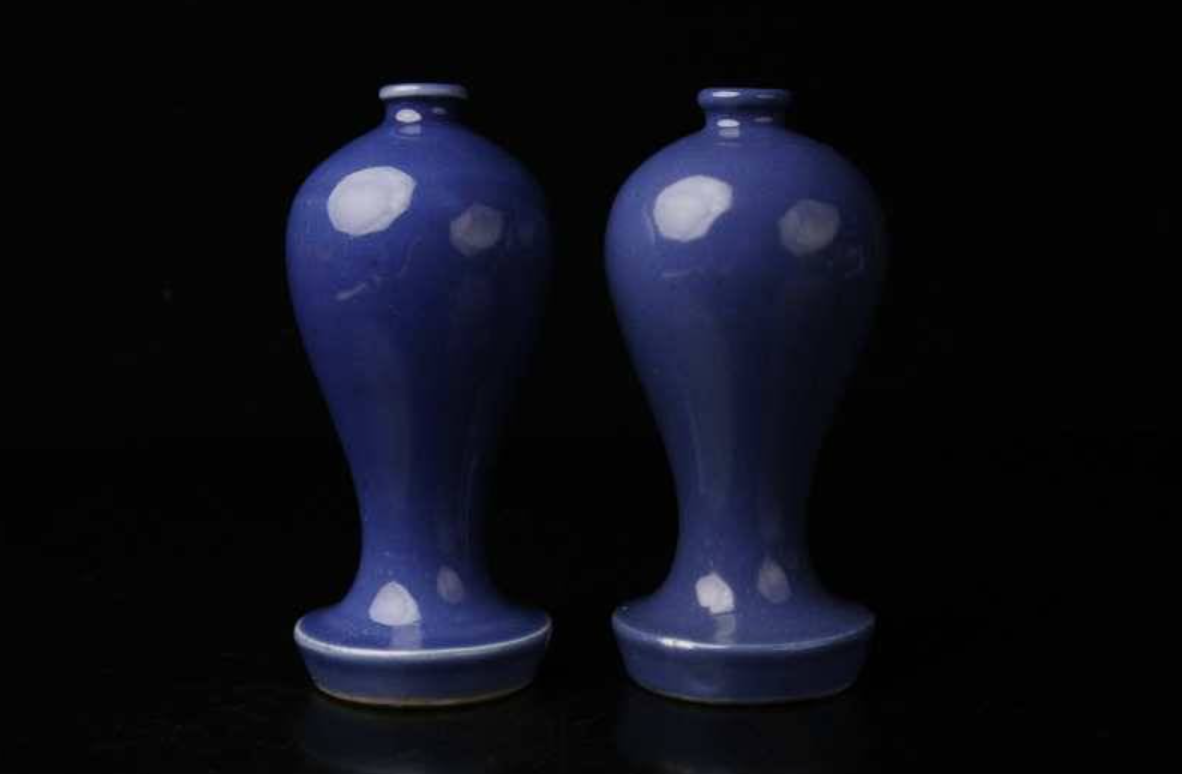
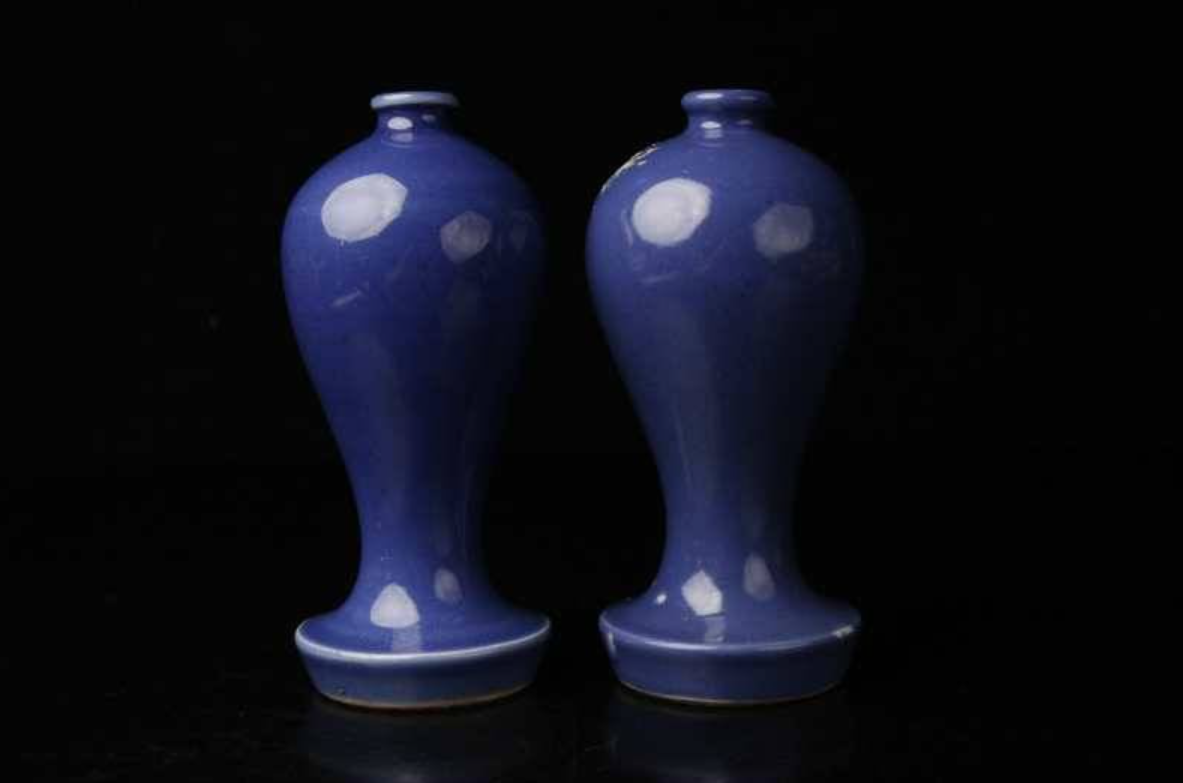
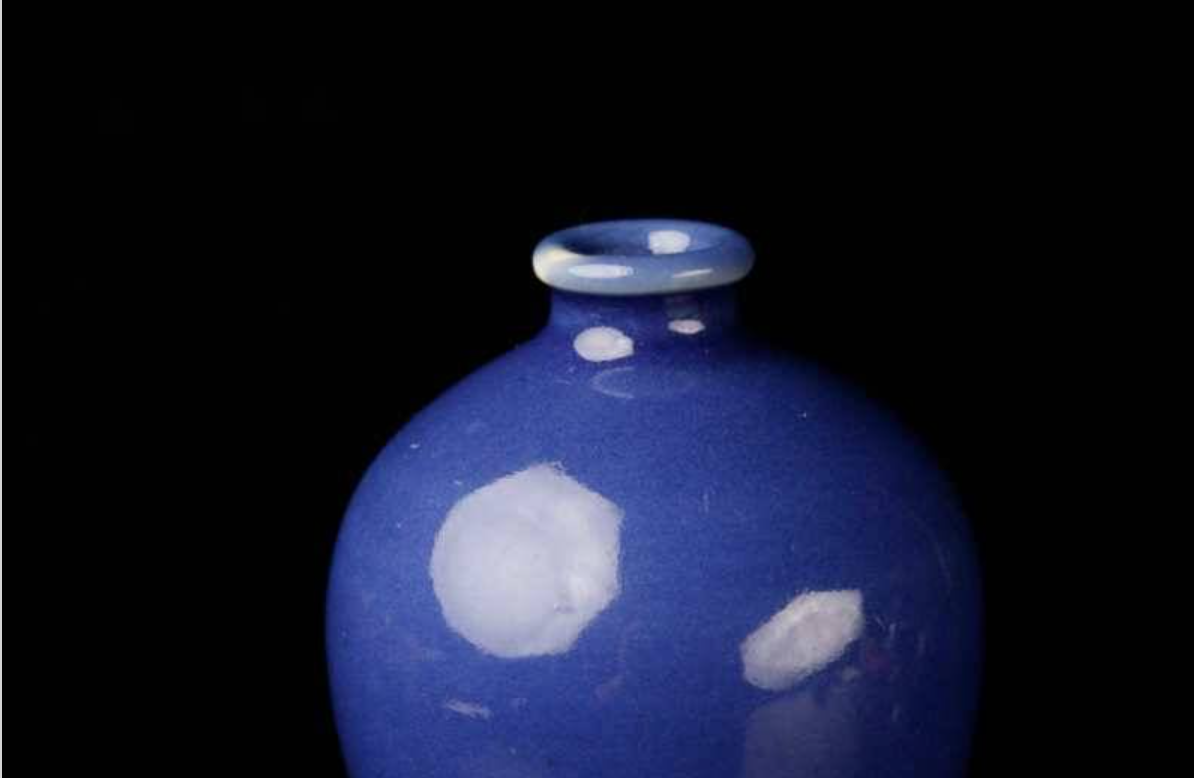
Imari Lapis Lazuli glaze sake bottles (pair) – Edo Period
$440
Description
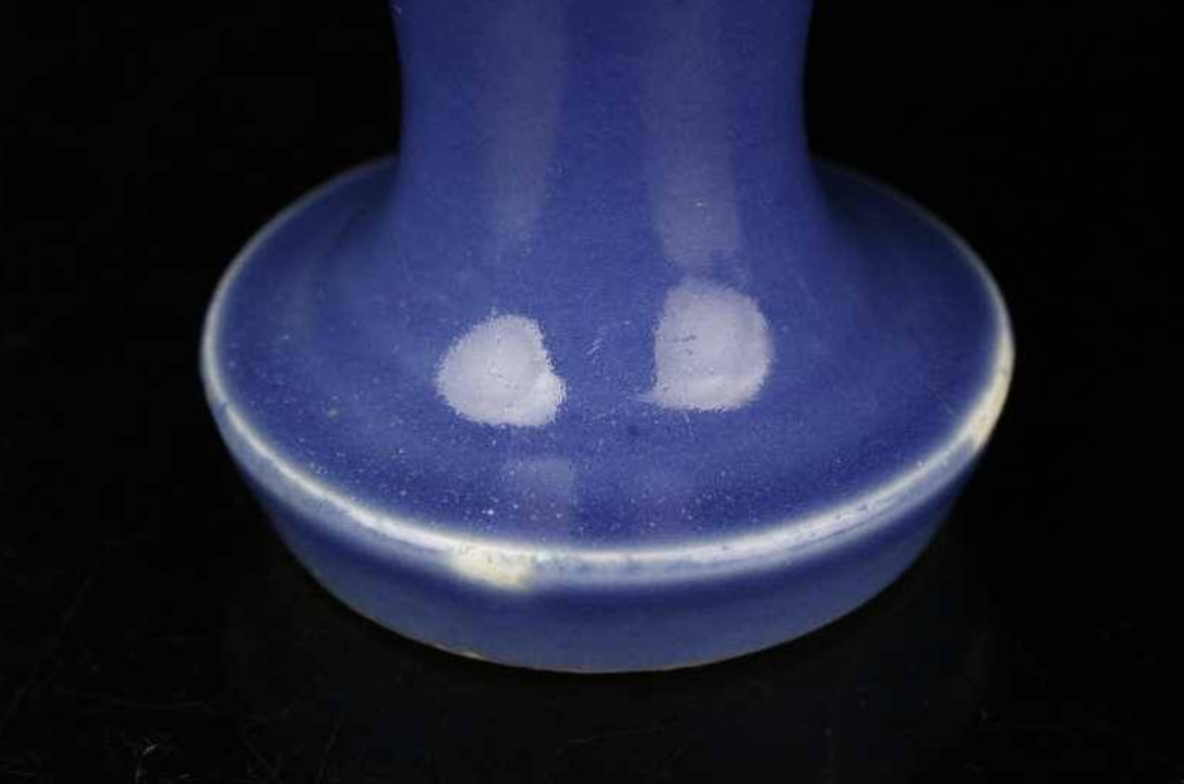
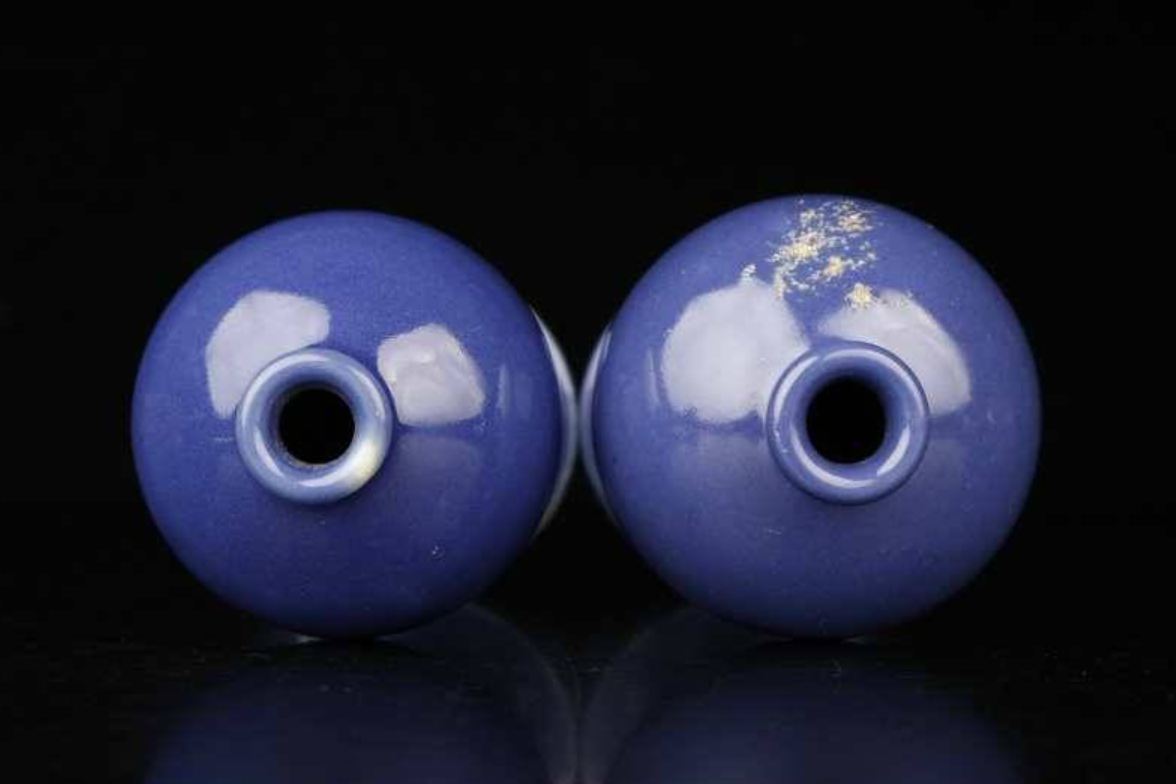
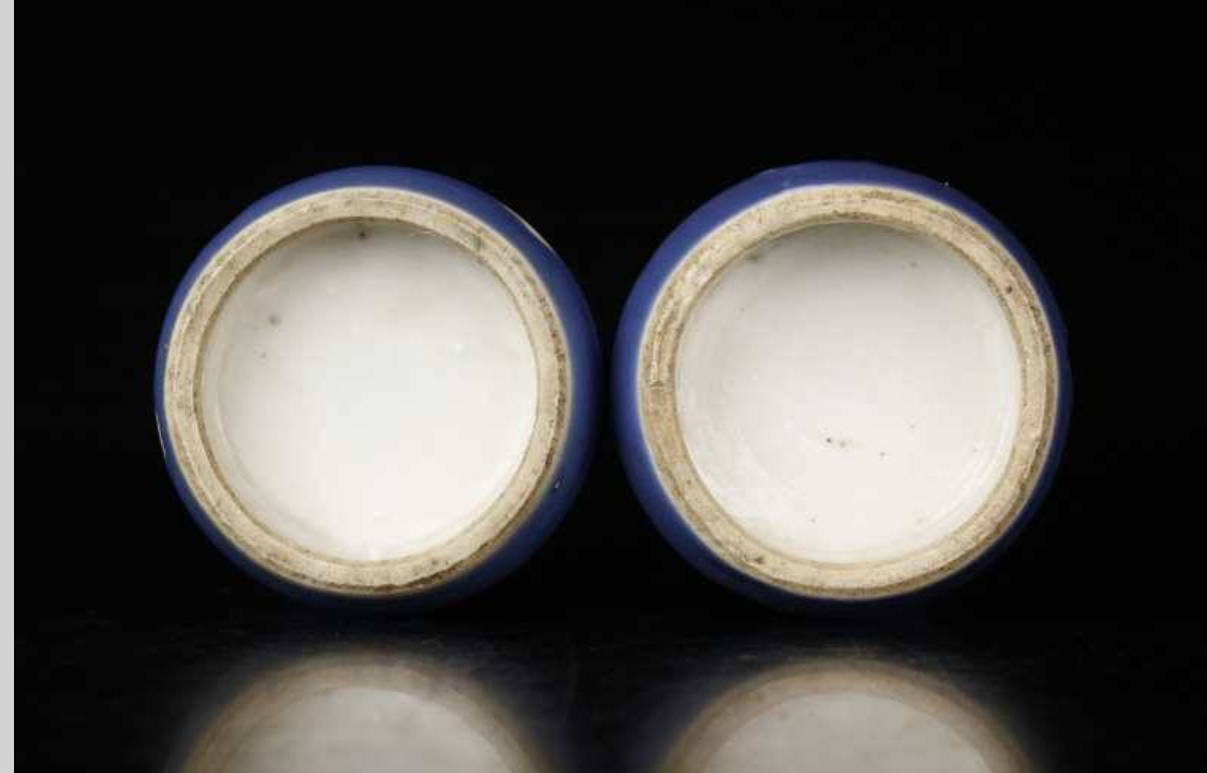
Imari lapis lazuli sake bottle – Edo Period (est. 18th Century)
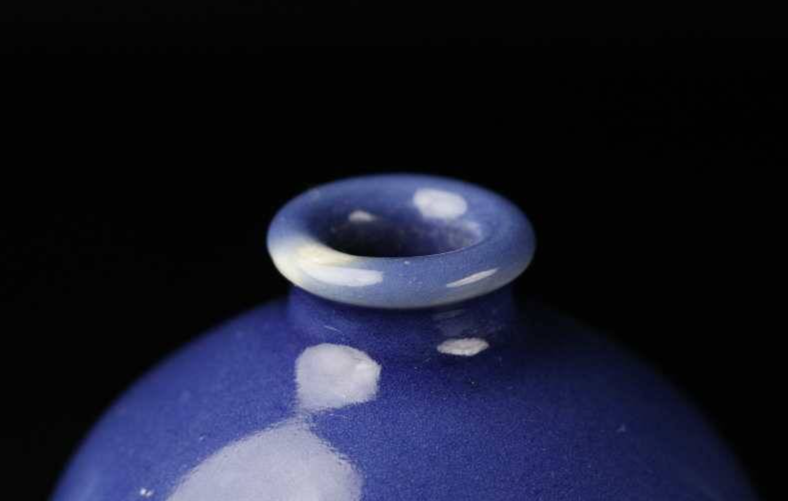
Tokkuri or Omiki-dokkuri refers to Japanese porcelain from the Arita kilns in Saga Prefecture that is finished in a deep, vibrant cobalt blue glaze known in Japanese as ruri-yu (lapis lazuli glaze).
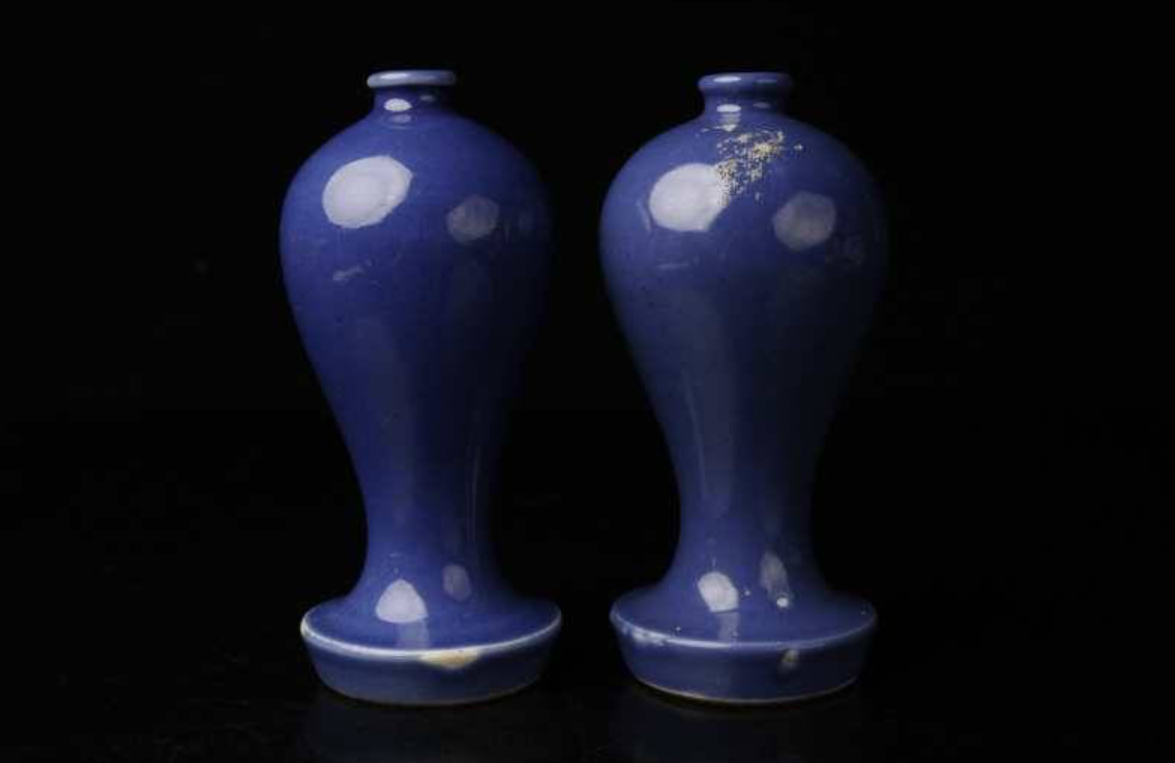
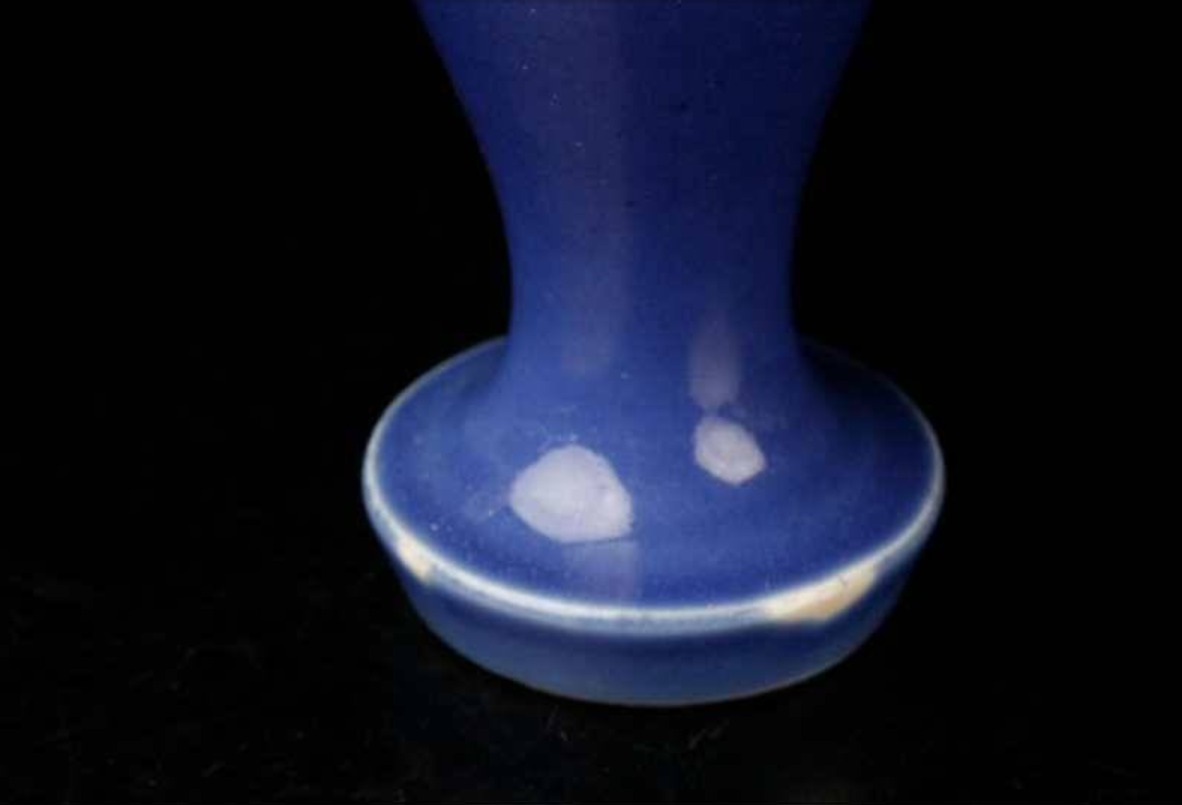
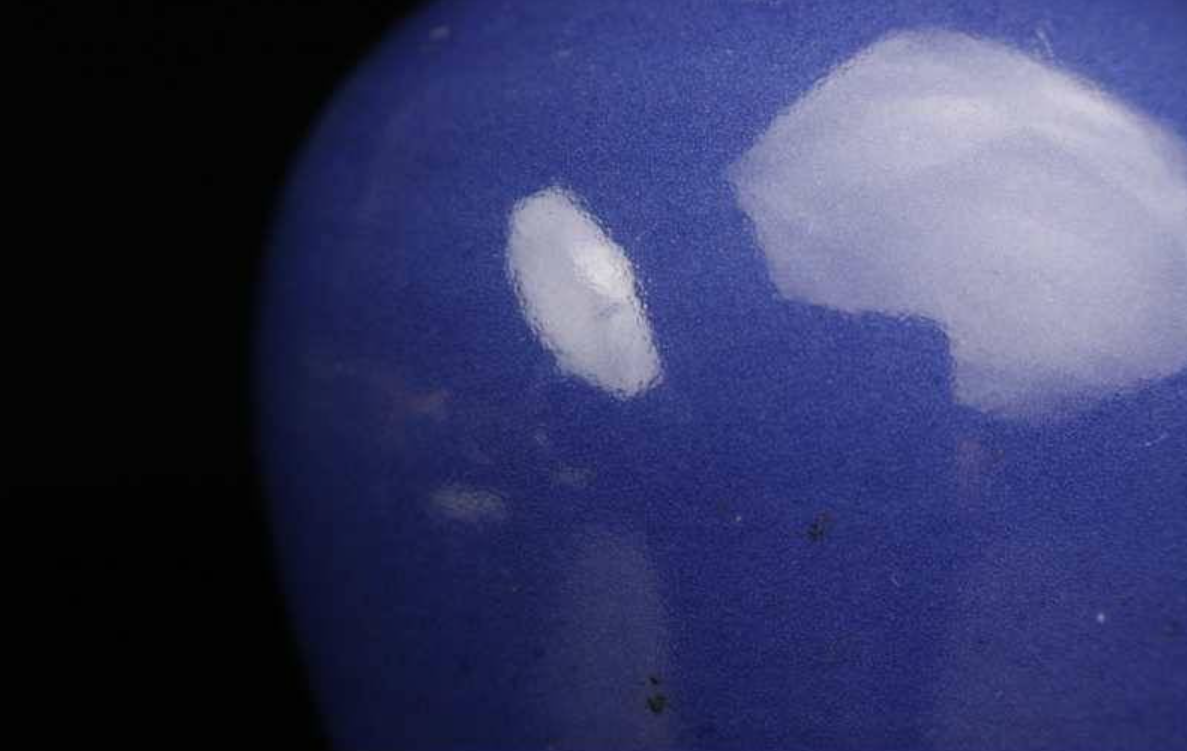
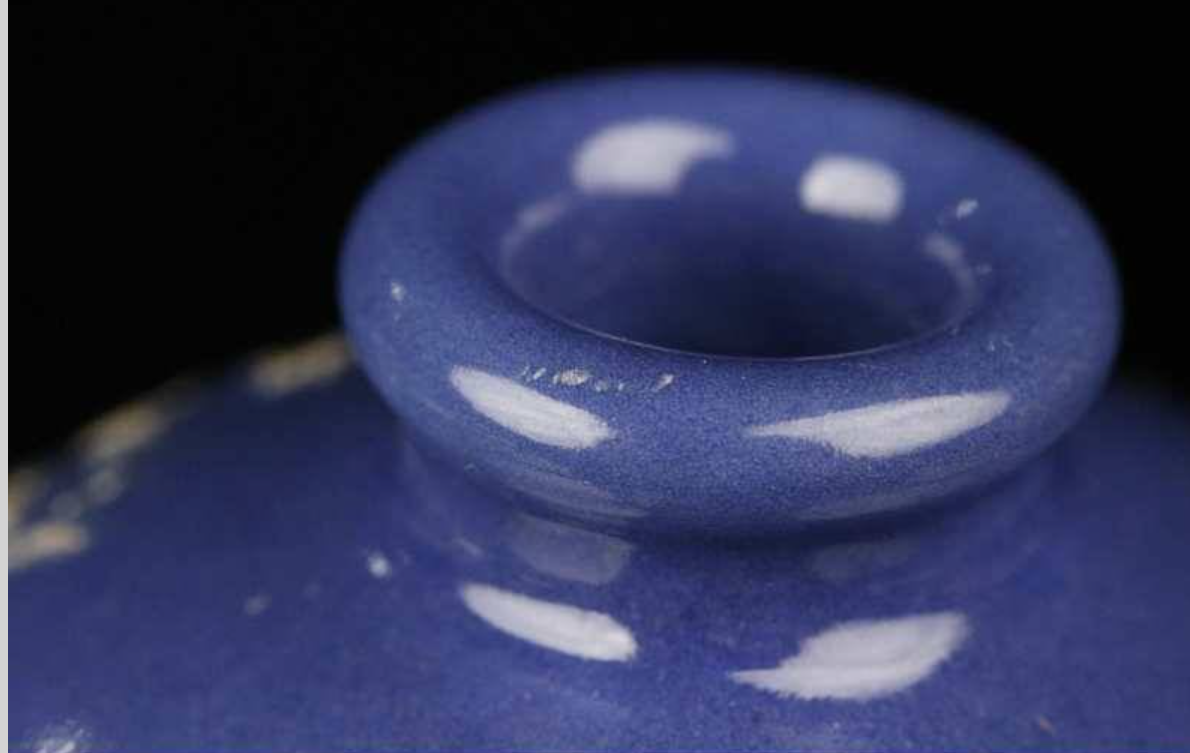
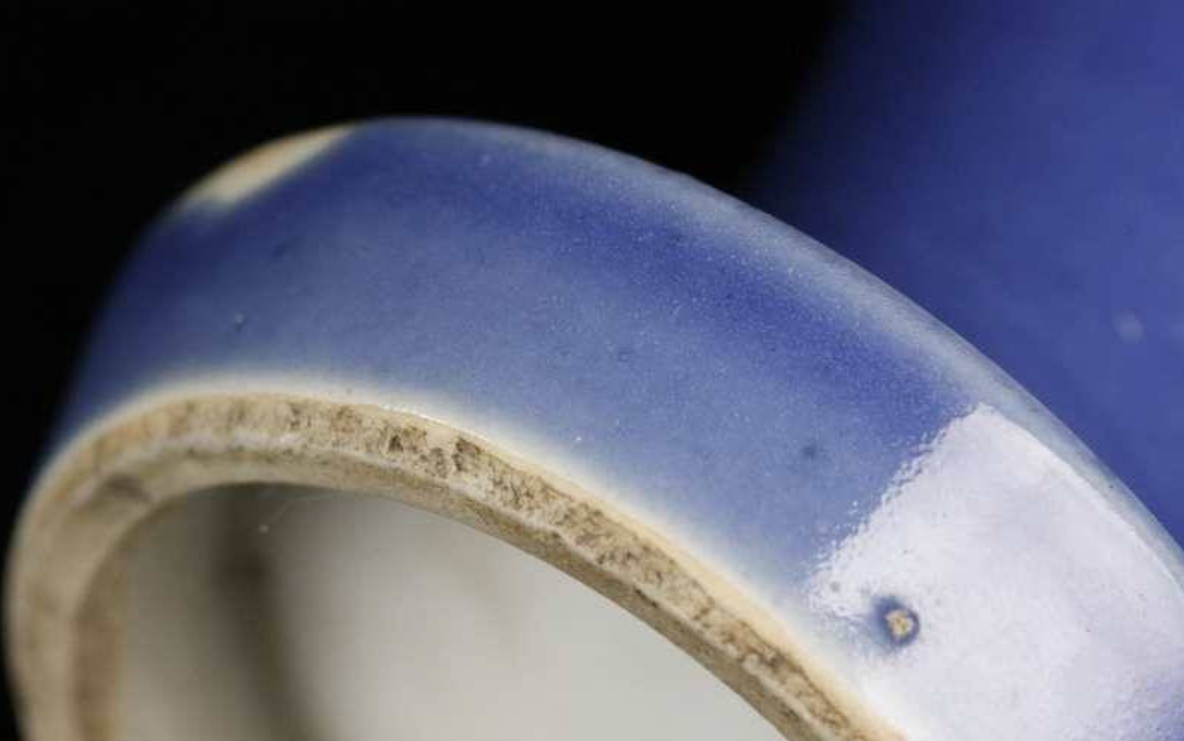
Those are of course original items, relatively well preserved considering its age. The glaze effect is really well preserved. Though there are some traces of use.
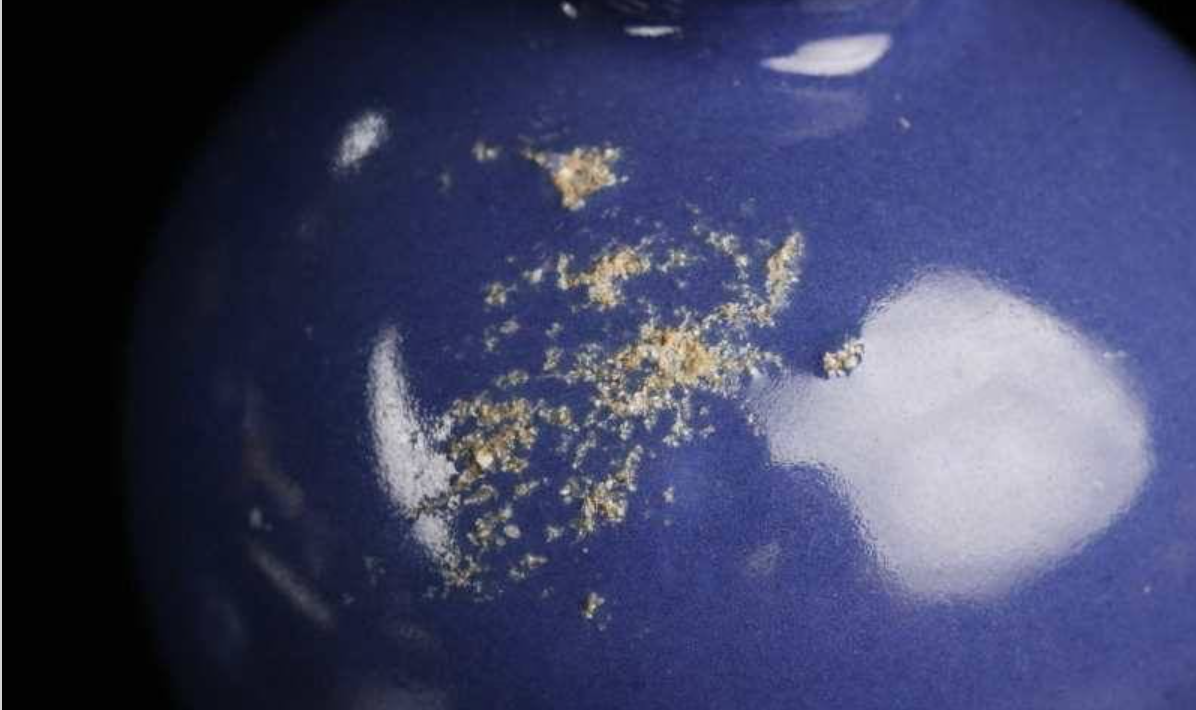
Note : Please note that one of the bottle has a very visible burst on its side from the manufacturing process (see picture). This is not caused by wrong conservation but is commonly caused by trapped moisture turning into steam at rapid temperature changes during the final oven heating process.
During the 18th century (the mid-to-late Edo period), sake bottles behind the counter of bars, liquor stores, and early izakaya served practical, social, and economic roles.
Many patrons didn’t buy disposable or single-use bottles. Instead, they used kayoi-tokkuri—durable ceramic or porcelain sake bottles sometimes stamped or painted with the specific name and crest of a liquor shop (shuya) – those are not stamped or signed.
Customers left these bottles at home or brought them to the counter. Behind the counter, bartenders or shopkeepers filled them directly from large wooden casks (taru), keeping track of tabs or charging by the measure (such as the go, roughly 180 ml).